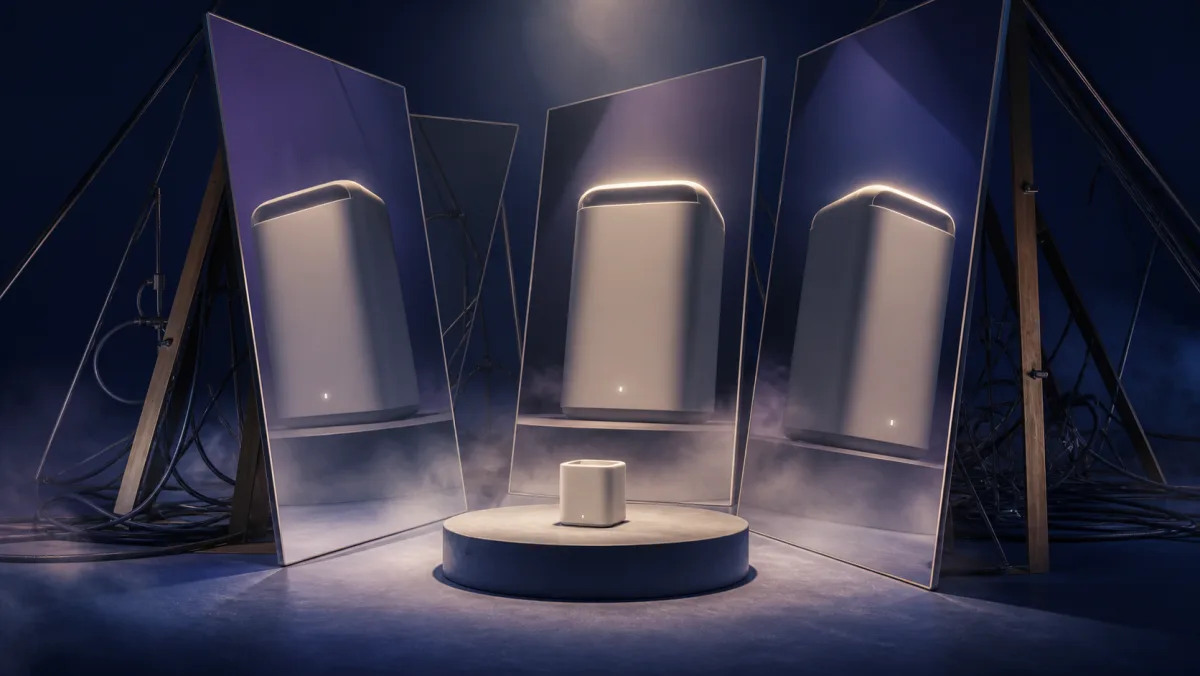
Smoke and mirrors means methods that hide an unwelcome truth or a presentation that creates a false impression. At work, this skeptical phrase may accuse someone of deception.
“The growth looks impressive, but some of it may be smoke and mirrors.”
The speaker doubts that the main result shows the full truth. Perhaps the metric changed or excluded some costs. A short-term effect may also look like lasting improvement.
Quick check
How well do you know "Smoke And Mirrors"?
You know "Smoke And Mirrors" well.
Keep going with the full learning path — more workplace contexts, related expressions, and practice using it yourself with feedback.
Continue with "Smoke And Mirrors" →There's more to "Smoke And Mirrors" than it seems.
You've got part of it, but the full learning path goes deeper into its nuances, workplace contexts, and when it sounds natural — then gives you practice using it yourself.
Learn "Smoke And Mirrors" in depth →What might you hear at work?
The phrase often appears in talks about finance, product demos, and marketing. It can also describe company changes or complex explanations.
“Is the new pricing genuinely simpler, or is it smoke and mirrors?”
“The demo was smooth, but I’m worried there is some smoke and mirrors around the automation.”
“Once we removed the smoke and mirrors, the proposal was a basic cost-cutting plan.”
In each case, the speaker thinks appearance may hide the truth. Some, a bit of, and may be soften the claim, but the meaning remains negative.
If you hear it and want to identify the actual concern, ask:
“Which part of the explanation do you think is incomplete?”
“What evidence would help us verify the claim?”
Those questions turn doubt into a claim you can test.
Where does the expression come from?
The image comes from stage magic and visual tricks. Such methods can make an audience see something that is not happening. Dictionaries link the phrase to hiding or drawing attention from an unwelcome issue.
Merriam-Webster dates its first known modern use to 1979. Other accounts note similar wording about magic and politics. The phrase draws on the image of stage tricks. Avoid naming one inventor without firm evidence.
Cambridge marks the expression as mainly American. Many people also understand it in global business English.
Try it yourself
Use "Smoke And Mirrors" yourself
How strong is the accusation?
Calling something smoke and mirrors is stronger than calling it confusing. Confusion may be accidental. Smoke and mirrors suggests that someone gains from the false impression.
Compare:
“The cost model is difficult to follow.”
This describes the reader's experience.
“The cost model is smoke and mirrors.”
This suggests that the model may have been designed to hide the truth.
That difference matters when discussing a colleague's work. If you lack evidence of intent, use careful language:
“The current presentation may obscure the underlying cost increase.”
“I’m not sure the headline metric tells the whole story.”
These statements name the effect without accusing a person of intent.
What can you safely say instead?
Match the alternative to the specific problem:
- “The explanation is incomplete.”
- “The presentation emphasizes the upside but not the tradeoffs.”
- “The headline number excludes several costs.”
- “The demo shows the ideal case, not the typical workflow.”
- “The new label does not change the underlying process.”
- “I’d like more transparency about how this metric is calculated.”
These options work better in formal reviews because they name the needed change.
When might you say it naturally?
Among colleagues who already share the same concern, a hedged use may sound natural:
“I may be missing something, but the savings still look like smoke and mirrors to me.”
The opening admits uncertainty. You should still explain the troubling assumption or calculation.
In a client meeting or written review, literal language is usually safer:
“The projected savings depend on volume assumptions that have not yet been validated.”
Avoid applying the phrase directly to a person:
“Daniel is all smoke and mirrors.”
That attacks Daniel's character rather than testing a claim. Describe the specific presentation, calculation, or gap instead.
The phrase overlaps with the man behind the curtain. However, the emphasis differs. The curtain image reveals a hidden operator or ordinary system. Smoke and mirrors stresses distraction or a false appearance. For an overdone presentation, see dog-and-pony show meaning.
Sources
Knowing the idiom is not enough: the real challenge is deciding whether your evidence supports such a strong implication.
A lot to take in? It is.
But Rome wasn't built in a day. Build your American workplace English one expression and cultural reference at a time—with curated explanations and structured practice in Lyra Practice.
Start a session →