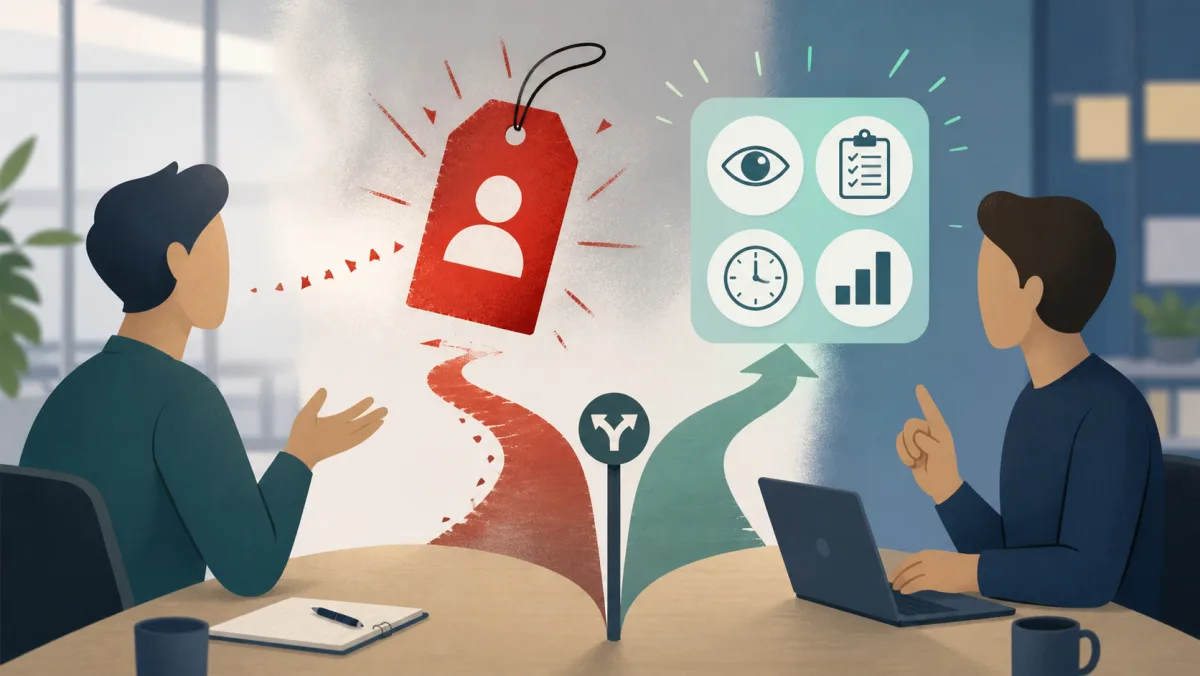
In current American slang, “a Karen” is an insulting label. It often targets a woman seen as entitled or highly demanding. The stereotype may involve mistreating service workers or asking for a manager. Some uses also accuse a white woman of misusing social power.
This definition helps you recognize the term. It does not make the label suitable for coworkers. The stereotype can involve gender, age, class, race, and privilege. At work, describe the actual behavior instead.
What does “Karen” suggest?
The meaning changes with context. In a meme, it may target someone making an extreme complaint:
“The customer went full Karen over a five-minute wait.”
In a serious discussion, it may accuse a white woman of misusing power. That can include calling police on a person of color. This use carries more weight than a joke about a manager.
The label does not simply mean a woman who complains. Complaints can be fair. It suggests entitlement, hostility, or bias in the speaker's view.
Slang changes, and communities use it in different ways. Tone and context matter.
Where did the expression come from?
No single person clearly created the modern meaning. Merriam-Webster finds generic humorous uses from at least the early 2000s. It says the racial sense appears to have developed within African American English. Later internet memes linked the name with demanding customers. In the early 2020s, viral events added more focus on racism and calls to police.
The term has several strands of development. Its African American English history is an important one. Be wary of claims that one movie, joke, haircut, or person invented it.
What might you hear at work?
You may hear the term in a chat or a story about a customer. It may also come up when people discuss an online video:
“Someone called the client a Karen in the team chat.”
“That post has a real ‘let me speak to the manager’ energy.”
“I understand the complaint, but I would not use that label in the report.”
The first sentence reports the label without approving it. The second still mocks the same stereotype. The third recognizes the term but avoids using it.
“Don’t be a Karen” accuses someone of acting demanding or entitled. It may feel teasing, dismissive, or openly hostile. The relationship and power gap affect the tone.
A lot to take in? It is.
But Rome wasn't built in a day. Build your American workplace English one expression and cultural reference at a time—with curated explanations and structured practice in Lyra Practice.
Start a session →Why is it risky at work?
Calling someone a Karen replaces facts with a stereotype. It may dismiss a valid concern before anyone reviews it.
The risk is especially high when:
- the person’s actual name is Karen
- the disagreement involves race or discrimination
- a manager labels an employee who raises a concern
- a team uses the word for any assertive woman
- the label appears in a ticket, email, or recorded chat
- the speaker does not know how the audience understands the term
Some people see the meme as criticism of entitlement and misused privilege. Others see it as sexist, age-based, or overused. These views can coexist. That makes the label unreliable at work.
Recognition is different from production
You may need to understand the term in conversation or online. You do not need to use it at work.
If someone uses it and you want clarification, ask about the behavior:
“Do you mean the customer was abusive, or that the request was unreasonable?”
“What specifically happened?”
These questions move the conversation from a stereotype to the facts.
If someone calls you a Karen, you can redirect without debating its history:
“Please address the concern itself rather than labeling me.”
“Can we focus on whether the request is reasonable?”
What can you safely say instead?
Choose words that describe conduct and leave room for evidence.
Instead of “The customer was a Karen,” say:
“The customer repeatedly interrupted the support agent and demanded an exception to the policy.”
Instead of “She went full Karen,” say:
“Her response seemed disproportionate to the delay.”
Instead of “Don’t be a Karen,” say:
“I think we can raise the issue firmly without making it personal.”
These alternatives say more about what happened. Colleagues can then assess the conduct itself.
Does everyone use it the same way?
No. The term is strongly tied to internet culture. Some people know it at once. Others find it dated, offensive, confusing, or unprofessional. Its racial meaning may be central in one setting but absent in another.
That range makes Karen useful to recognize but risky to use. For important issues, plain facts last longer than a meme.
For another name used as a label, see what Debbie Downer means. For broader advice, see how to handle cultural references in English at work.