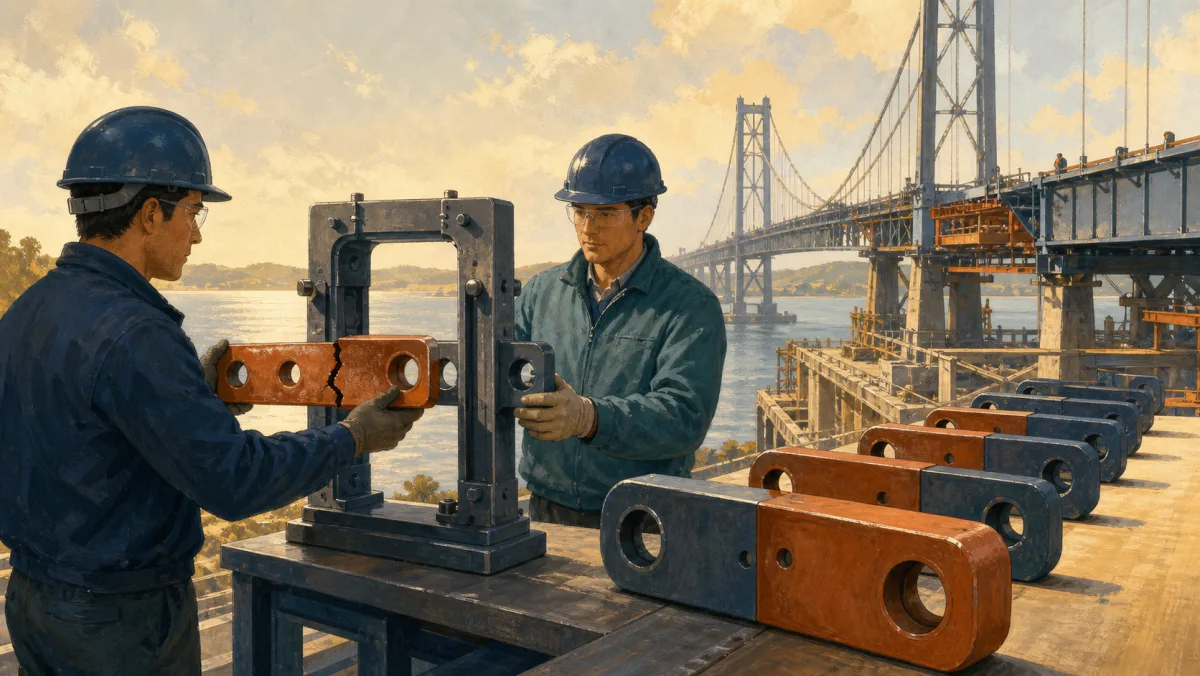
A "safeguard" is a measure meant to reduce a stated risk. It may be a review, identity check, or approval gate. "Friction" is the effort or delay people face in a process. A "safeguard" can create "friction," but the terms are not synonyms.
Quick check
Protection and wait time in one refund step
You know "Friction" well.
Keep going with the full learning path — more workplace contexts, related expressions, and practice using it yourself with feedback.
Continue with "Friction" →There's more to "Friction" than it seems.
You've got part of it, but the full learning path goes deeper into its nuances, workplace contexts, and when it sounds natural — then gives you practice using it yourself.
Learn "Friction" in depth →The test: which half of the situation is named?
Ask what the sentence names. "We added a manager-approval step" names the safeguard. "That step adds two days to every large refund" names its friction. Both claims need evidence, including who experiences the cost.
Safeguard: "We require a second engineer to review any production database change before it ships -- that review is the safeguard."
Friction: "Our timing data shows that review adds roughly four hours to each urgent database fix. That wait is part of its friction."
Safeguard vs its more formal sibling, control
"Safeguard" is a general term for a protective measure. Its more formal, audit-flavored sibling, control, often appears in audit, compliance, or security work. The exact label depends on the framework. If the measure creates a cost, name that cost separately.
"Records show this review caught three costly mistakes this year. Removing it may reduce delay, but it would also remove that protection."
Try it yourself
Separate a lab safeguard from its burden
Why the mix-up matters
Do not treat the terms as interchangeable. "Friction" is not always bad, and a "safeguard" is not always effective. A proposal to remove a step should state the risk, evidence, delay, and alternatives. It should also identify who can approve the change.
Some safeguards are required by law, policy, contract, or a control framework. A team cannot remove them merely because they are slow. The authorized owner should assess exceptions and replacement controls. Where practical, gather input from people affected by the process.
Naming both makes the trade-off visible
A clear proposal names the second-engineer review and its purpose. It reports the measured four-hour delay and the three caught mistakes. It also says whose work and risk would change. Decision owners can then compare keeping, redesigning, or replacing the step. That process does not guarantee a better outcome, but it makes the choice visible.
Practice scenarios
Practice using friction in situations like:
- naming a safeguard separately from naming the friction it creates
- proposing to reduce friction without accidentally proposing to remove the underlying safeguard
- weighing whether a specific safeguard's friction is worth the protection it provides
Useful practice phrases:
- "That review is the safeguard; the two-day wait it adds is the friction."
- "We're not just removing friction here -- we're removing the safeguard behind it."
- "Is this friction worth keeping, given what the safeguard actually catches?"
Want to actually use "Friction" naturally at work?
Understanding it is one thing. Practice its nuances, see how it works in real workplace situations, and use it yourself with feedback.
Start the "Friction" learning path →A "safeguard" aims to reduce a risk. Friction is the effort or delay people face. Measure both before an authorized decision.