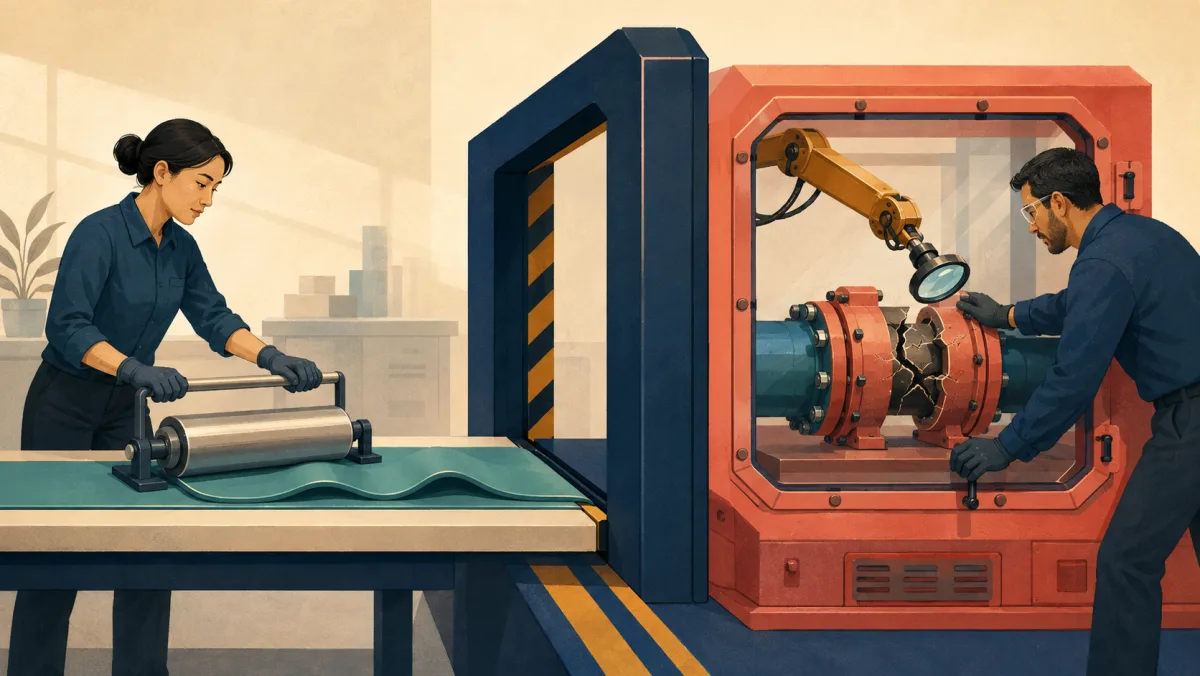
Avoid "iron out" for emergencies, serious incidents, major outages, or high-stakes conflicts about strategy or people. It can minimize harm or hide the current response. Formal legal, compliance, board, and incident records also need precise language, so choose a verb such as investigate, contain, report, resolve, or renegotiate.
Quick check
Avoid a casual idiom for emergencies and formal incident records.
You know "Iron Out" well.
Keep going with the full learning path — more workplace contexts, related expressions, and practice using it yourself with feedback.
Continue with "Iron Out" →There's more to "Iron Out" than it seems.
You've got part of it, but the full learning path goes deeper into its nuances, workplace contexts, and when it sounds natural — then gives you practice using it yourself.
Learn "Iron Out" in depth →Two separate reasons, either one enough on its own
Severity. "Iron out" makes a problem sound manageable through discussion. That tone can play down a crisis or known serious event. The reader may hear "routine" when the facts say otherwise.
The type of document. Formal records need clear facts and exact terms. Follow the record's purpose and your organization's reporting rules. A serious event in a formal record raises both concerns. The event has weight, and the phrase hides useful detail.
"We're just ironing out a minor security issue" understates a confirmed security incident that's disrupting customer access; "We are investigating a security incident affecting customer access, and containment measures are in place" states the facts without minimizing them.
For a confirmed safety incident with an unknown cause, "we are ironing out the safety issue with the site team" is too casual for the initial formal record -- "we are investigating the safety incident and will document the findings and required corrective actions" is fact-appropriate instead.
Try it yourself
Write the accurate update for Aster Chemicals
Don't dress up the minimizer with "just" or "minor"
Adding "just" or "minor" can make the problem sound small. New facts may show that this reassurance was misplaced. When severity is unclear, use a verb for the current work. Say "we are investigating the cause," for example.
Discussion does not mean the issue is resolved. Teams can discuss it without reaching a deal or fix. Use "ironing out" while people work through small gaps or details.
Practice scenarios
Practice using "iron out" in situations like:
- rewriting a casual status update into a formal incident record
- catching yourself before minimizing a serious security incident or outage
- choosing investigate, contain, remediate, or resolve instead of iron out for high-stakes writing
Useful practice phrases:
- "We are investigating the incident and will document the findings."
- "This isn't something to iron out -- it needs a formal response."
- "Containment measures are in place while we investigate the security incident."
Want to actually use "Iron Out" naturally at work?
Understanding it is one thing. Practice its nuances, see how it works in real workplace situations, and use it yourself with feedback.
Start the "Iron Out" learning path →"Iron out" fits a small problem that people can work through.
When facts are serious or the record is formal, choose an exact verb. Show the current step without claiming the issue is resolved.