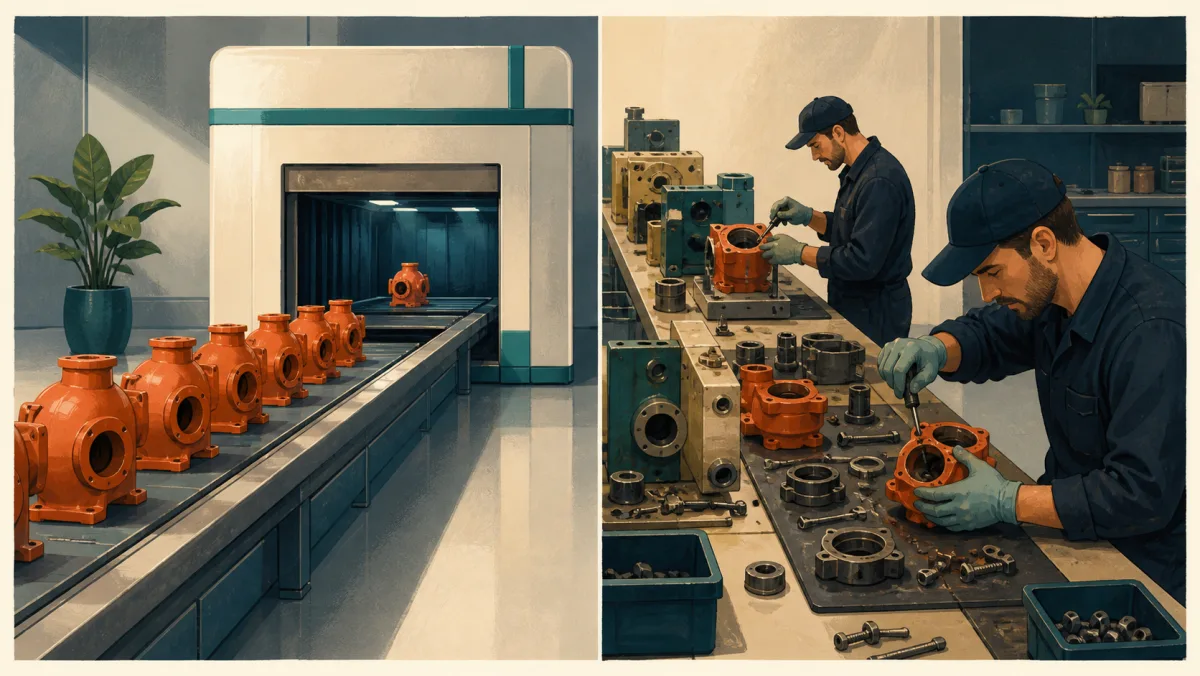
Delay describes elapsed time without proving the cause. Friction describes added effort or difficulty in a step or exchange. It may create a delay, but the words make different claims.
Quick check
A known wait with no difficult step
You know "Friction" well.
Keep going with the full learning path — more workplace contexts, related expressions, and practice using it yourself with feedback.
Continue with "Friction" →There's more to "Friction" than it seems.
You've got part of it, but the full learning path goes deeper into its nuances, workplace contexts, and when it sounds natural — then gives you practice using it yourself.
Learn "Friction" in depth →The test: is waiting the only complaint?
Ask whether waiting is the only known problem. "The approval takes three days" gives evidence of a delay. It does not prove why the wait occurs. "The approval takes three days because the form has to be manually re-entered into two separate systems" also shows friction. The repeated entry adds work and may help explain the delay.
Delay: "The only issue is that legal review takes three business days -- nothing else about the process is hard, it just takes time."
Friction: "The approval isn't just slow -- the requester has to manually re-enter the same information into two different systems before it can even start."
When a delay turns out to be friction
"What looked like a simple delay turned out to be friction: the wait wasn't from a queue, it was from a broken handoff that required rework each time."
A queue creates a delay, but it may not clear without action. A broken handoff creates friction when it causes repeated work. The same process can have both problems. The evidence should show which cause matters most before a team chooses a fix.
Try it yourself
Reveal rework beneath a permit wait
Why picking the wrong word misdirects the fix
Calling a known wait "friction" may claim more than the evidence shows. Calling a hard, effort-heavy step only a "delay" can hide the cause. That can steer a decision toward the wrong fix. More capacity may reduce some delays. A simpler handoff may reduce some friction. Neither result is certain. Teams should test the cause and measure the outcome.
The common mistake
The common mistake is treating every slow step as friction. If the evidence shows only elapsed time, "delay" is the safer word. It reports the observed outcome without claiming a broken process. Use friction only when there is added effort, confusion, or difficulty.
A simple test to apply
Use a simple thought test. Imagine that more capacity removes the wait. Would any rework, confusion, or extra effort remain? If not, delay may be the main issue. If those costs remain, the process also has friction. This test forms a useful theory, not proof. Confirm it with process data before asking for more staff or a redesign.
Practice scenarios
Practice using friction in situations like:
- deciding whether a scenario's evidence supports friction or plain delay
- recognizing when an apparent delay is actually being caused by friction underneath it
- choosing between adding capacity (for delay) and redesigning a step (for friction)
Useful practice phrases:
- "This is a delay -- nothing else about it is hard, it just takes time."
- "This is friction, not just delay -- the step itself causes rework."
- "The wait looked like a queue, but the real cause was friction in the handoff."
Want to actually use "Friction" naturally at work?
Understanding it is one thing. Practice its nuances, see how it works in real workplace situations, and use it yourself with feedback.
Start the "Friction" learning path →A delay is an elapsed-time outcome, while friction is operational difficulty within a step. Investigate the cause before choosing a remedy.